Circular Economy
What Is a Circular Economy?
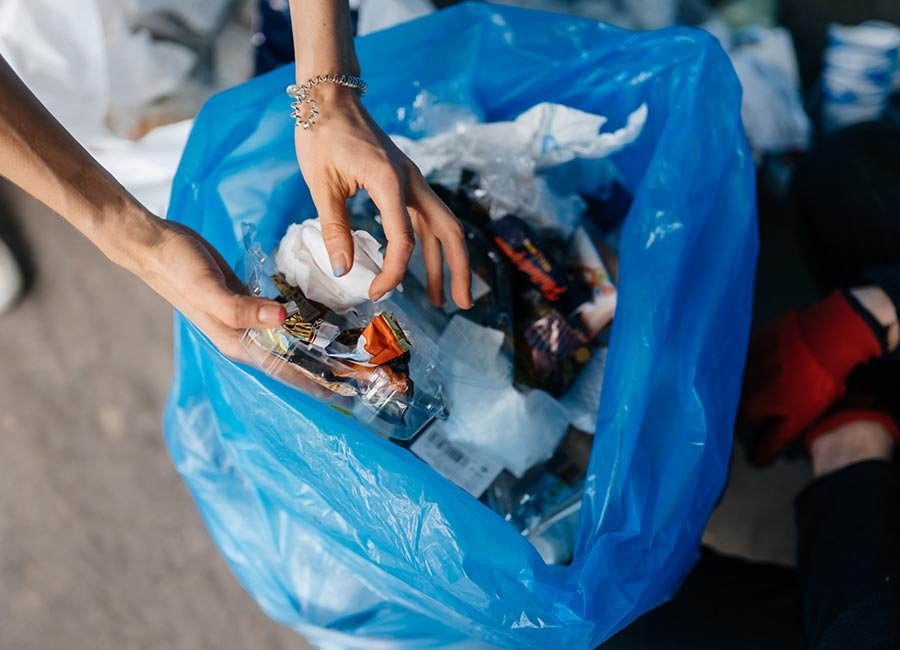
Our current economy runs on a one-way street: we take, make, use, and waste. This linear system dead-ends in a landfill.
A circular economy transforms that street into a loop. We design products so that after they are used, their materials cycle back to become new products, again and again.
Think of it this way: if the linear economy is a disposable plastic bottle, the circular economy is your grandmother’s stainless steel tiffin box—built to last, reused endlessly, and designed out of waste.
Why should we Care?
Calling waste just an “environmental problem” misses the point. It’s a fundamental breakdown in how we live.
The connection between expensive onions, scarce electronics, and urban flooding is simple: a linear economy that wastes resources instead of valuing them.
Circularity is the solution. It’s an economy that:
Boosts Resilience
Shields us from price shocks by recovering precious materials here at home.
Builds Smarter
Prevents urban flooding by stopping plastic from clogging our critical infrastructure.
Generates Opportunity
Creates dignified, local jobs in innovation, repair, and recycling.
Clears the Air
Slashes the emissions that cause climate change.
The goal isn’t just a greener planet—it’s a more secure and prosperous daily life.
The Core Challenge
India’s annual waste generation of 62 million tonnes presents a significant environmental and economic challenge, exacerbated by low recycling rates. The core issues inhibiting a circular economy are threefold:
-
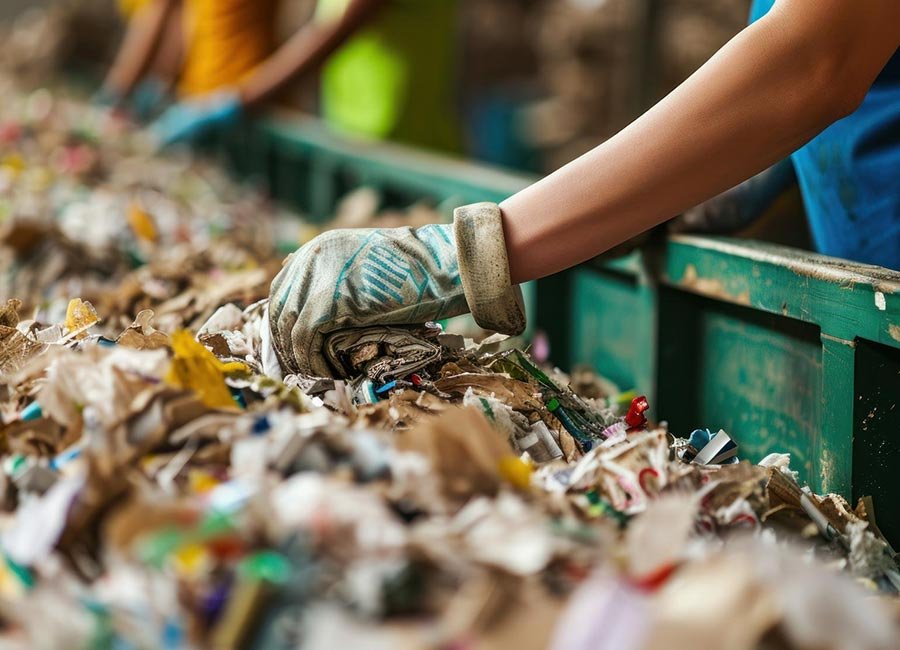
The Absence of Source Segregation: The mixing of wet and dry waste at the point of disposal severely complicates and compromises the recovery process.
-
An Undervalued Informal Sector: Despite performing the majority of recycling work, informal waste pickers operate without institutional support, fair compensation, or adequate safety measures.
-
Market Disincentives for Recycled Content: The continued economic advantage of virgin materials over recycled feedstock discourages investment in circular supply chains.
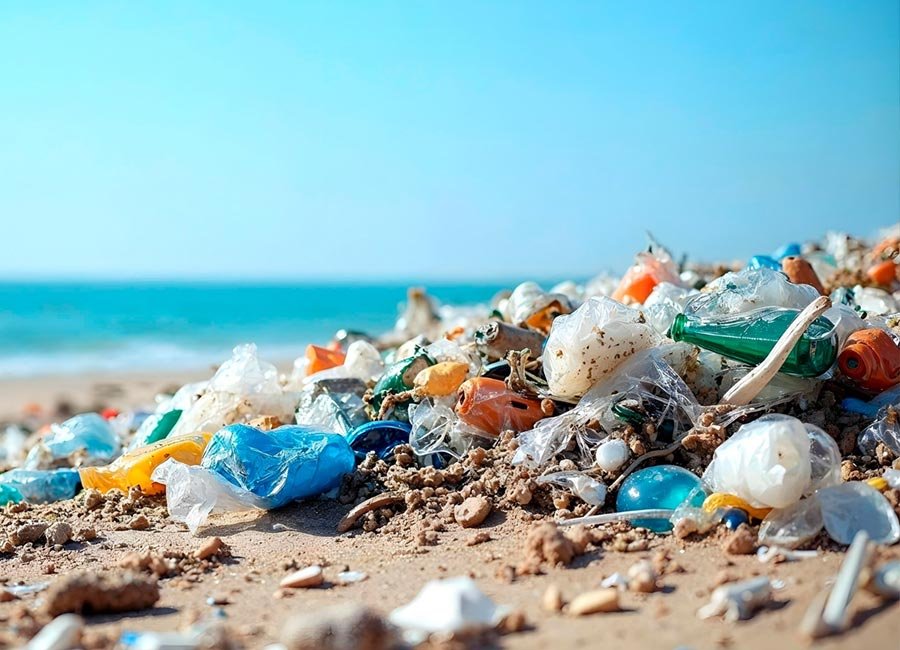
These systemic failures result in overburdened landfills, severe marine pollution, and the unnecessary depletion of natural resources.
Role of Forward-Thinking Businesses
Adopting a circular economy mindset offers a clear path to resilience and growth. For business leaders, this strategic shift translates into actionable initiatives:
Product Design
Product Design: Shift from a "take-make-waste" model to designing for longevity, repairability, and end-of-life recovery.
Customer Engagement
Implement take-back programs to secure valuable materials and deepen brand relationships.
Supply Chain Innovation
Procure recycled inputs to reduce virgin material dependency and price volatility.
Brand Leadership
Educate consumers on responsible disposal, positioning your company as a trusted, sustainable leader.
The tangible returns include significant cost savings through efficient material use, enhanced brand loyalty, and a proactive compliance posture with future regulations.
Role of Individuals
A circular economy can’t be built by watching. It requires all of us to act.
The power to disrupt the “take-make-waste” model lies in your hands. Your most potent tools?
Your Money
Fund responsible brands that own their waste.
Your Time
Choose to repair, not replace.
Your Routine
Segregate your waste—it's the first step to recycling.
Your Voice
Support and promote circular startups.
Here’s the undeniable truth: From the phone in your hand to the package on your doorstep, everything has a waste story. Will you ignore it, or will you help change the narrative? The plot twist starts with you.
Why This Matters Right Now?
Climate change is here. It’s in our floods, our heatwaves, our empty granaries. India’s linear economic model is fueling this crisis, and the bill—both environmental and economic—is coming due.
The circular economy is no silver bullet, but it is our best strategy. It uniquely aligns profit with planet. It’s a necessary win-win, and our time to choose it is now.
Conclusion
The time for a sustainable future is now. Whether you’re steering a corporation, shaping policy, or building a better world from the ground up, the opportunity to redefine our relationship with waste is here.
This is your call to join the movement. Partner with OAR to transform your waste stream into a traceable, ethical, and impactful resource. Our technology and vast network provide the turnkey solution you need to:
-
Offset your plastic footprint with verified credibility.
-
Execute flawless zero-waste events that inspire.
-
Seamlessly comply with EPR regulations and beyond.
Remember: Waste is not an endpoint. It’s a resource out of place. Together, let’s ensure nothing is wasted.
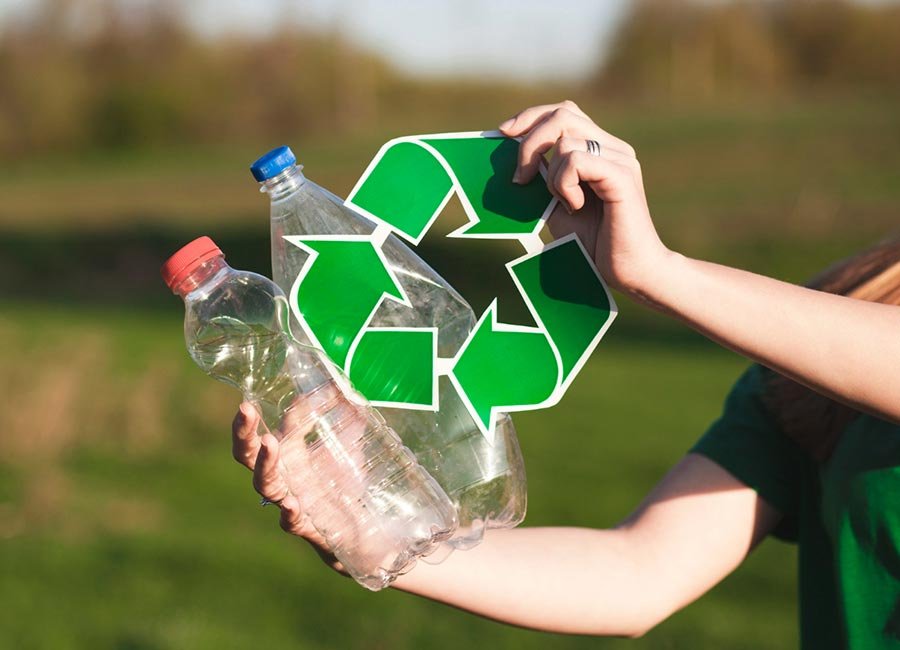
Together, let’s build a plastic-free future.
Discover your power in the circular economy. Whether you’re at home, in school, or at the office, you can help build a cleaner, greener Kerala.